Sex education in India, if it happened at all, covered reproduction. It told you about periods, about pregnancy, about the mechanics of how babies arrive. What it never taught you was how pleasure works. What an orgasm is. How to have one. Why some people find it easy, and others spend years uncertain if they’ve ever had one at all.
This is that class. The one you were owed.
What Actually Happens During a Female Orgasm
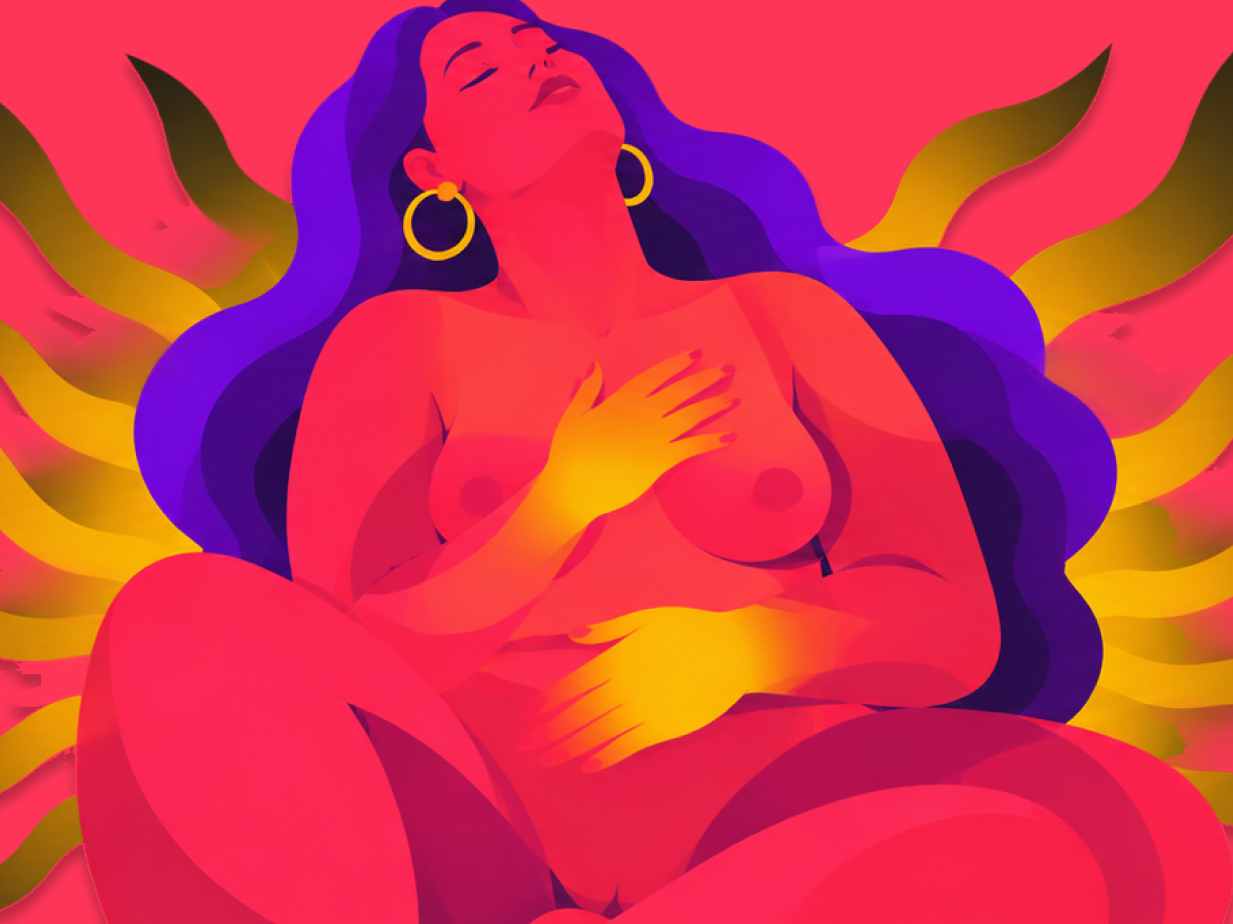
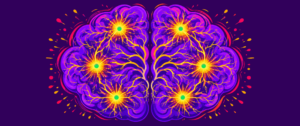
An orgasm is a neurological event as much as a physical one. In the seconds leading up to it, the brain floods with dopamine and oxytocin, the pleasure and bonding hormones. Heart rate climbs. Blood pressure rises. Muscles throughout the pelvis, uterus, and vagina contract in rhythmic waves, typically between 0.8-second intervals.
Most people focus on the physical sensation and miss the neurological dimension, which is why stress, distraction, or self-consciousness can interrupt an orgasm mid-approach. The brain is involved. It has to want to let go.
After orgasm, a wave of endorphins creates the characteristic feeling of warmth and calm. Unlike the male refractory period, most people with female anatomy can experience multiple orgasms in sequence; the body doesn’t require recovery time in the same way.
The Different Types of Orgasm
Science and personal experience both confirm that orgasms feel different depending on how they’re reached. Here’s an honest breakdown:
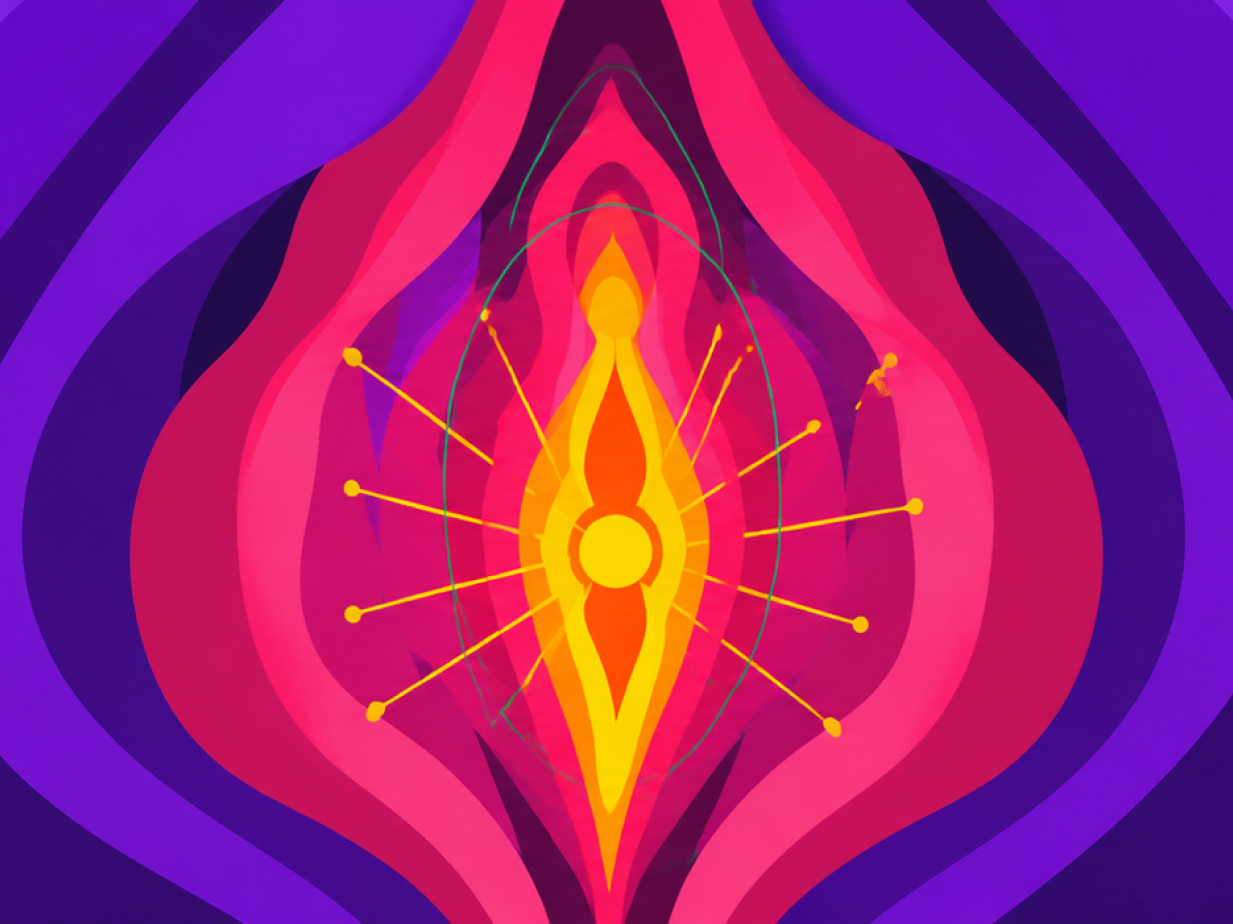
Clitoral orgasms, the most common type, are produced through external stimulation of the clitoris. They tend to be sharp, focused, intense, and build quickly. For the majority of people, this is the most reliable path to orgasm.
Internal orgasms, often called vaginal orgasms, are reached through penetration and internal stimulation. They tend to feel deeper, slower to build, more diffuse through the body. Many researchers now believe these are triggered by the internal arms of the clitoris, making them clitoral orgasms experienced from the inside.
Blended orgasms combine clitoral and internal stimulation simultaneously. Many people describe these as the most intense orgasms they experience, the result of two pathways activating together.
Nipple orgasms, cervical orgasms, and mental orgasms (through fantasy alone) are real for some people but rare. The nervous system is connected in unexpected ways, and everyone’s wiring is different.

Why Many Women Struggle to Orgasm
The orgasm gap is real and documented: heterosexual women report the lowest rates of orgasm during partnered sex of any demographic group. The reasons are not mysterious. They are structural.
First: penetration has been culturally centred as the primary sexual act, while clitoral stimulation, which most people require for orgasm, is treated as supplementary. When the act that reliably produces orgasm for men is treated as ‘real sex’ and everything else as foreplay, outcomes become predictable.
Second: many women have spent years performing. Faking orgasms to end an encounter, to protect a partner’s ego, or because they gave up on the real thing. Faking creates a feedback loop: the partner believes what they’re doing works, continues doing it, and the orgasm gap widens.
Third: stress, anxiety, and body image issues directly interfere with orgasm. The brain cannot fully release into pleasure when it is simultaneously managing self-consciousness, performance pressure, or mental noise.
What Actually Helps
Arousal is not instant, and it shouldn’t be rushed. Building arousal through touch, atmosphere, and emotional safety before expecting orgasm is not indulgence. It is biology.
Self-exploration is one of the most honest paths to understanding how your body responds. Not because solo experience is better than partnered sex, but because when it’s just you, there’s no performance pressure, no timeline, and no one else’s expectations in the room.
Communication with a partner changes outcomes. Knowing what you want, being able to say it, and being with someone who asks and listens these are not luxuries. They are prerequisites for consistent pleasure.

Your Orgasm Is Not Optional
There is a persistent cultural idea that female pleasure is secondary, that it’s a bonus, something that happens if conditions are perfect, something that requires apology if it takes too long. That idea belongs in the past.
Your orgasm is not a favour being done for you. It is your body responding to its own design. Understanding it, asking for what produces it, and prioritising it in your own life is not selfish. It is knowing yourself.
The class you were never given: consider this the start of it.